What is biohazard cleanup in Phoenix, AZ, in short?
Biohazard cleanup is careful, contained work that removes contaminated material, disinfects what can be saved, and disposes of waste through a proper regulated route. It is not ordinary cleaning, and you should not try to clean a biohazard area yourself — keep people out of the room and call, with emergency services first if anyone is in danger.
Service
Biohazard Cleanup
Location
Phoenix, AZ
Areas covered
15 neighbourhoods
Coverage
By ZIP — call to check yours
Key facts for Phoenix, AZ: 4 service options explained on this site, 4 process steps, 10 questions answered below. Prices are given as a written scope for your exact situation, not as a fixed price on this page.
📍15Neighbourhoods covered
🔧4Service options explained
❓10Questions answered below
📞Call NowTo call (555) 010-1234
Our services
What we help with in Phoenix, AZ
Each option below is explained in plain language — what it covers, when it is the right choice, and what to ask about before work starts.
Diagnosis first — the cause is checked before parts are replaced.
When to call for biohazard cleanup
✓Blood, bodily fluids, or medical waste are present and the area cannot be used safely.
✓An unattended death, accident, or injury has left contamination behind.
✓There is a strong odour, visible staining, or material that you cannot identify.
✓You are unsure whether a surface is safe to touch, sit on, or walk across.
✓A previous clean-up attempt has left staining, odour, or doubt about what remains.
How it works
How biohazard cleanup is handled
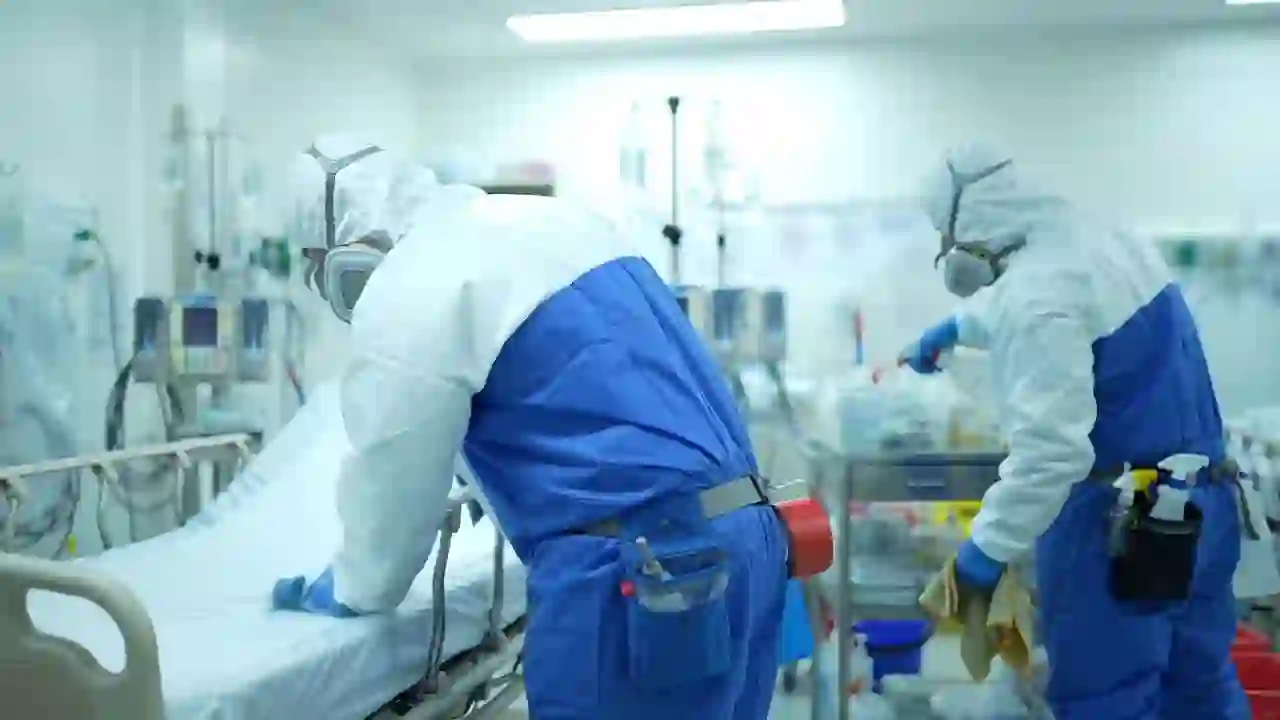
Illustrative photo — biohazard cleanup work, not a specific customer job.
1
1. Assess and contain
The affected area is assessed first, then contained so material is not tracked into other rooms while work is under way.
Step 1 of 4
2
2. Remove contaminated material
Items and materials that cannot be safely disinfected are removed and disposed of through the proper waste route.
Step 2 of 4
3
3. Clean and disinfect
Remaining surfaces are cleaned, then disinfected, with attention to the places people actually touch and use.
Step 3 of 4
4
4. Check and hand back
The room is checked again before it is handed back, with a plain-language summary of what was done and what was removed.
Step 4 of 4
Why call
A better way to get biohazard cleanup help
Illustrative photo — biohazard cleanup work, not a specific customer job.
✓
Explained before it is fixed
You hear what is wrong, what the options are, and what it costs before anyone starts.
$
Priced before work starts
A clear, written scope — not a vague estimate that grows as the job goes on.
📍
Local to Phoenix, AZ
Service areas, neighbourhoods, and local conditions are covered on this site, not generic advice.
📞
One call to start
Describe the problem and where you are, and get connected to help for your area.
Illustrative photo — biohazard cleanup work, not a specific customer job.
What moves the price
$How large the affected area is, and how many rooms are involved.
$What kind of material is present and how far it has spread.
$Whether flooring, drywall, or fixtures need to be removed and replaced.
$How much waste has to be handled through a regulated disposal route.
$Access, timing, and whether the work needs to happen urgently.
Illustrative photo — biohazard cleanup work, not a specific customer job.
What to do first
!Keep people and pets out of the affected room if you can.
!Do not try to mop, vacuum, or bleach a biohazard area yourself — that can spread it.
!Do not throw contaminated items in ordinary household waste.
!If someone is injured or in danger, call emergency services first, before any cleanup call.
In-depth guide
Biohazard Cleanup in Phoenix, AZ: the full guide, in plain language
Illustrative photo — biohazard cleanup work, not a specific customer job.
Biohazard cleanup is work that has to be handled quietly, carefully, and without shortcuts, because the people involved are often dealing with a difficult event at the same time as a practical problem in their home. A room that needs this kind of help is not just dirty. It may contain material that is unsafe to touch, difficult to remove, and easy to spread if someone tries to clean it with ordinary household products. That is why the first job is not scrubbing. It is understanding what is present, keeping the area contained, and making a clear plan for removal, disinfection, and checking the room before it is used again.
Most calls start with uncertainty rather than a clear diagnosis. Someone may have found staining they cannot explain, a strong smell that will not go away, or a room that has been closed off after an accident, an injury, or an unattended death. Others are dealing with a property that has been left in a condition where biological material, waste, or contamination is present, and they do not know where the safe boundary is. A good crew will not rush past those questions. They will ask what happened, which rooms are affected, whether anyone is still using the property, and whether there are pets, children, or vulnerable people who need to be kept away from the area while work is planned.
The work itself follows a sequence that matters. Containment comes first, so material is not tracked through the rest of the home on shoes, equipment, or hands. Contaminated material that cannot be disinfected is removed through a proper waste route, not placed in ordinary household rubbish. Surfaces that can be saved are cleaned and then disinfected, with particular attention to the places people touch, sit, and sleep. Finally, the room is checked again, and the household is given a plain-language summary of what was removed, what was disinfected, and what, if anything, still needs attention. That summary matters, because it is what lets people use the room again with confidence rather than doubt.
Service options, explained in detail
Unattended death cleanup in Phoenix, AZ
When you need unattended death cleanup in Phoenix, AZ, the first question is not which product or package looks best in a brochure. It is what problem you are actually trying to solve, how urgent it is, and what a good outcome looks like in your home or building. Biohazard Cleanup work of this kind varies more than most people expect from one property to the next, because age, construction, previous work, and local conditions all change what is involved. A clear scope should therefore name the work itself, the materials or parts involved, what is included and what is not, and how the result will be checked before the job is signed off. If a proposal cannot explain those points in plain language, it is not yet ready to approve, however attractive the headline price may look. In Phoenix, AZ, local conditions also matter: the climate, the age of the housing stock, and the way homes in this area were built all affect which approach is most durable, and a local conversation about those factors is worth more than a generic national guide.
Before you commit, ask how long the work is expected to take, what disruption to expect, what decisions you will need to make along the way, and what happens if something unexpected is found once work starts. Those questions are not difficult, and a professional provider should welcome them. They are also the questions that prevent the most common disappointments: work that starts without a clear plan, costs that grow because the scope was vague, and finishes that look good on day one but do not hold up. For unattended death cleanup in particular, the difference between a good result and a mediocre one is usually in the preparation and the checking at the end, not in the most visible part of the job, so give those stages the attention they deserve.
Accident and trauma cleanup in Phoenix, AZ
When you need accident and trauma cleanup in Phoenix, AZ, the first question is not which product or package looks best in a brochure. It is what problem you are actually trying to solve, how urgent it is, and what a good outcome looks like in your home or building. Biohazard Cleanup work of this kind varies more than most people expect from one property to the next, because age, construction, previous work, and local conditions all change what is involved. A clear scope should therefore name the work itself, the materials or parts involved, what is included and what is not, and how the result will be checked before the job is signed off. If a proposal cannot explain those points in plain language, it is not yet ready to approve, however attractive the headline price may look. In Phoenix, AZ, local conditions also matter: the climate, the age of the housing stock, and the way homes in this area were built all affect which approach is most durable, and a local conversation about those factors is worth more than a generic national guide.
Before you commit, ask how long the work is expected to take, what disruption to expect, what decisions you will need to make along the way, and what happens if something unexpected is found once work starts. Those questions are not difficult, and a professional provider should welcome them. They are also the questions that prevent the most common disappointments: work that starts without a clear plan, costs that grow because the scope was vague, and finishes that look good on day one but do not hold up. For accident and trauma cleanup in particular, the difference between a good result and a mediocre one is usually in the preparation and the checking at the end, not in the most visible part of the job, so give those stages the attention they deserve.
Hoarding-related biohazard cleanup in Phoenix, AZ
When you need hoarding-related biohazard cleanup in Phoenix, AZ, the first question is not which product or package looks best in a brochure. It is what problem you are actually trying to solve, how urgent it is, and what a good outcome looks like in your home or building. Biohazard Cleanup work of this kind varies more than most people expect from one property to the next, because age, construction, previous work, and local conditions all change what is involved. A clear scope should therefore name the work itself, the materials or parts involved, what is included and what is not, and how the result will be checked before the job is signed off. If a proposal cannot explain those points in plain language, it is not yet ready to approve, however attractive the headline price may look. In Phoenix, AZ, local conditions also matter: the climate, the age of the housing stock, and the way homes in this area were built all affect which approach is most durable, and a local conversation about those factors is worth more than a generic national guide.
Before you commit, ask how long the work is expected to take, what disruption to expect, what decisions you will need to make along the way, and what happens if something unexpected is found once work starts. Those questions are not difficult, and a professional provider should welcome them. They are also the questions that prevent the most common disappointments: work that starts without a clear plan, costs that grow because the scope was vague, and finishes that look good on day one but do not hold up. For hoarding-related biohazard cleanup in particular, the difference between a good result and a mediocre one is usually in the preparation and the checking at the end, not in the most visible part of the job, so give those stages the attention they deserve.
Sewage and biological contamination cleanup in Phoenix, AZ
When you need sewage and biological contamination cleanup in Phoenix, AZ, the first question is not which product or package looks best in a brochure. It is what problem you are actually trying to solve, how urgent it is, and what a good outcome looks like in your home or building. Biohazard Cleanup work of this kind varies more than most people expect from one property to the next, because age, construction, previous work, and local conditions all change what is involved. A clear scope should therefore name the work itself, the materials or parts involved, what is included and what is not, and how the result will be checked before the job is signed off. If a proposal cannot explain those points in plain language, it is not yet ready to approve, however attractive the headline price may look. In Phoenix, AZ, local conditions also matter: the climate, the age of the housing stock, and the way homes in this area were built all affect which approach is most durable, and a local conversation about those factors is worth more than a generic national guide.
Before you commit, ask how long the work is expected to take, what disruption to expect, what decisions you will need to make along the way, and what happens if something unexpected is found once work starts. Those questions are not difficult, and a professional provider should welcome them. They are also the questions that prevent the most common disappointments: work that starts without a clear plan, costs that grow because the scope was vague, and finishes that look good on day one but do not hold up. For sewage and biological contamination cleanup in particular, the difference between a good result and a mediocre one is usually in the preparation and the checking at the end, not in the most visible part of the job, so give those stages the attention they deserve.
Warning signs, in detail
Blood, bodily fluids, or medical waste are present and the area cannot be used safely.
This sign matters because it is often the earliest visible clue that something has changed in the home or building, and early clues are cheaper and easier to act on than later damage. Do not ignore it, and do not assume it will resolve on its own. Note when you first noticed it, whether it is getting worse, and whether it affects one room or several, because that information helps a professional assess urgency and likely cause on the first call. In Phoenix, AZ, where biohazard cleanup issues are commonly linked to local housing age and climate, a sign like this should prompt a conversation, not a wait-and-see approach that allows a small problem to become a larger repair.
An unattended death, accident, or injury has left contamination behind.
This sign matters because it is often the earliest visible clue that something has changed in the home or building, and early clues are cheaper and easier to act on than later damage. Do not ignore it, and do not assume it will resolve on its own. Note when you first noticed it, whether it is getting worse, and whether it affects one room or several, because that information helps a professional assess urgency and likely cause on the first call. In Phoenix, AZ, where biohazard cleanup issues are commonly linked to local housing age and climate, a sign like this should prompt a conversation, not a wait-and-see approach that allows a small problem to become a larger repair.
There is a strong odour, visible staining, or material that you cannot identify.
This sign matters because it is often the earliest visible clue that something has changed in the home or building, and early clues are cheaper and easier to act on than later damage. Do not ignore it, and do not assume it will resolve on its own. Note when you first noticed it, whether it is getting worse, and whether it affects one room or several, because that information helps a professional assess urgency and likely cause on the first call. In Phoenix, AZ, where biohazard cleanup issues are commonly linked to local housing age and climate, a sign like this should prompt a conversation, not a wait-and-see approach that allows a small problem to become a larger repair.
You are unsure whether a surface is safe to touch, sit on, or walk across.
This sign matters because it is often the earliest visible clue that something has changed in the home or building, and early clues are cheaper and easier to act on than later damage. Do not ignore it, and do not assume it will resolve on its own. Note when you first noticed it, whether it is getting worse, and whether it affects one room or several, because that information helps a professional assess urgency and likely cause on the first call. In Phoenix, AZ, where biohazard cleanup issues are commonly linked to local housing age and climate, a sign like this should prompt a conversation, not a wait-and-see approach that allows a small problem to become a larger repair.
A previous clean-up attempt has left staining, odour, or doubt about what remains.
This sign matters because it is often the earliest visible clue that something has changed in the home or building, and early clues are cheaper and easier to act on than later damage. Do not ignore it, and do not assume it will resolve on its own. Note when you first noticed it, whether it is getting worse, and whether it affects one room or several, because that information helps a professional assess urgency and likely cause on the first call. In Phoenix, AZ, where biohazard cleanup issues are commonly linked to local housing age and climate, a sign like this should prompt a conversation, not a wait-and-see approach that allows a small problem to become a larger repair.
The process, step by step, in detail
1. Assess and contain
The affected area is assessed first, then contained so material is not tracked into other rooms while work is under way. In practice, this stage is where a good job is won or lost, because it is the point at which assumptions are checked against reality. A professional will explain what they found at this stage, what it means for the rest of the job, and whether the original plan still holds or needs to change. If the plan does change, the change should be explained and agreed before work continues, not discovered later in an invoice. For biohazard cleanup in Phoenix, AZ, this stage also has to account for local access, local conditions, and the specific construction of the property, which is why a generic timeline without a property-specific check is rarely reliable.
2. Remove contaminated material
Items and materials that cannot be safely disinfected are removed and disposed of through the proper waste route. In practice, this stage is where a good job is won or lost, because it is the point at which assumptions are checked against reality. A professional will explain what they found at this stage, what it means for the rest of the job, and whether the original plan still holds or needs to change. If the plan does change, the change should be explained and agreed before work continues, not discovered later in an invoice. For biohazard cleanup in Phoenix, AZ, this stage also has to account for local access, local conditions, and the specific construction of the property, which is why a generic timeline without a property-specific check is rarely reliable.
3. Clean and disinfect
Remaining surfaces are cleaned, then disinfected, with attention to the places people actually touch and use. In practice, this stage is where a good job is won or lost, because it is the point at which assumptions are checked against reality. A professional will explain what they found at this stage, what it means for the rest of the job, and whether the original plan still holds or needs to change. If the plan does change, the change should be explained and agreed before work continues, not discovered later in an invoice. For biohazard cleanup in Phoenix, AZ, this stage also has to account for local access, local conditions, and the specific construction of the property, which is why a generic timeline without a property-specific check is rarely reliable.
4. Check and hand back
The room is checked again before it is handed back, with a plain-language summary of what was done and what was removed. In practice, this stage is where a good job is won or lost, because it is the point at which assumptions are checked against reality. A professional will explain what they found at this stage, what it means for the rest of the job, and whether the original plan still holds or needs to change. If the plan does change, the change should be explained and agreed before work continues, not discovered later in an invoice. For biohazard cleanup in Phoenix, AZ, this stage also has to account for local access, local conditions, and the specific construction of the property, which is why a generic timeline without a property-specific check is rarely reliable.
Pricing, in detail
How large the affected area is, and how many rooms are involved.
This factor affects price because it changes the amount of work, the materials, or the time required, and it is one of the reasons why two apparently similar jobs can be priced very differently. A written quote should show how this factor has been accounted for, rather than hiding it inside a single lump sum. If you are comparing quotes for biohazard cleanup in Phoenix, AZ, compare them factor by factor, not just by total: a lower total that omits a major factor is not a saving, it is a cost that will appear later. Ask for the breakdown, ask what is excluded, and ask what would change the price if conditions on site differ from what was assumed.
What kind of material is present and how far it has spread.
This factor affects price because it changes the amount of work, the materials, or the time required, and it is one of the reasons why two apparently similar jobs can be priced very differently. A written quote should show how this factor has been accounted for, rather than hiding it inside a single lump sum. If you are comparing quotes for biohazard cleanup in Phoenix, AZ, compare them factor by factor, not just by total: a lower total that omits a major factor is not a saving, it is a cost that will appear later. Ask for the breakdown, ask what is excluded, and ask what would change the price if conditions on site differ from what was assumed.
Whether flooring, drywall, or fixtures need to be removed and replaced.
This factor affects price because it changes the amount of work, the materials, or the time required, and it is one of the reasons why two apparently similar jobs can be priced very differently. A written quote should show how this factor has been accounted for, rather than hiding it inside a single lump sum. If you are comparing quotes for biohazard cleanup in Phoenix, AZ, compare them factor by factor, not just by total: a lower total that omits a major factor is not a saving, it is a cost that will appear later. Ask for the breakdown, ask what is excluded, and ask what would change the price if conditions on site differ from what was assumed.
How much waste has to be handled through a regulated disposal route.
This factor affects price because it changes the amount of work, the materials, or the time required, and it is one of the reasons why two apparently similar jobs can be priced very differently. A written quote should show how this factor has been accounted for, rather than hiding it inside a single lump sum. If you are comparing quotes for biohazard cleanup in Phoenix, AZ, compare them factor by factor, not just by total: a lower total that omits a major factor is not a saving, it is a cost that will appear later. Ask for the breakdown, ask what is excluded, and ask what would change the price if conditions on site differ from what was assumed.
Access, timing, and whether the work needs to happen urgently.
This factor affects price because it changes the amount of work, the materials, or the time required, and it is one of the reasons why two apparently similar jobs can be priced very differently. A written quote should show how this factor has been accounted for, rather than hiding it inside a single lump sum. If you are comparing quotes for biohazard cleanup in Phoenix, AZ, compare them factor by factor, not just by total: a lower total that omits a major factor is not a saving, it is a cost that will appear later. Ask for the breakdown, ask what is excluded, and ask what would change the price if conditions on site differ from what was assumed.
Privacy, sensitivity, and how the visit is handled
Illustrative photo — biohazard cleanup work, not a specific customer job.
Biohazard work is often needed at a time when privacy matters as much as cleanliness. Neighbours, landlords, family members, and visitors may all have questions, and the household may not want the details of what happened discussed openly. A professional approach keeps the work discreet: unmarked discussion, clear agreement about who will be on site, and no unnecessary detail shared beyond what is needed to do the job safely. If you have specific privacy concerns — for example, about timing, access, or who should be present — raise them on the first call, because they are much easier to plan around before a crew arrives than after work has started.
•Agree the arrival time, access route, and who will be present before work starts.
•Ask how waste will be removed and whether it will be visible to neighbours.
•Keep personal items and documents out of the affected area if it is safe to do so.
•Ask for a written summary at the end, so you do not have to rely on memory.
What happens to flooring, furniture, and personal items
Illustrative photo — biohazard cleanup work, not a specific customer job.
One of the hardest parts of biohazard cleanup is deciding what can be saved and what cannot, and the answer depends on material, not sentiment. Hard, non-porous surfaces — tile, sealed stone, metal, and some plastics — can often be cleaned and disinfected successfully. Porous materials — carpet, underlay, untreated wood, soft furnishings, mattresses, and paper — absorb biological material in ways that cleaning cannot reliably reverse, and they are much more likely to be removed. That distinction can be painful when items have personal value, which is why it should be explained clearly, item by item, rather than assumed.
•Hard surfaces: often cleanable, subject to a proper disinfection process.
•Carpet and underlay: usually removed where contamination has soaked through.
•Soft furnishings and mattresses: often removed, especially where staining or odour is present.
•Photographs and documents: ask about specialist cleaning before discarding anything irreplaceable.
Odour: why it lingers and what actually removes it
Illustrative photo — biohazard cleanup work, not a specific customer job.
Odour after a biohazard event is not just unpleasant; it is information. It usually means material remains somewhere — under flooring, inside a wall cavity, in soft furnishings, or in the subfloor — even if the visible surfaces look clean. Masking the smell with air fresheners or ozone used incorrectly does not remove the source, and in some cases it can make the problem harder to trace. Proper odour work follows the same sequence as the rest of the cleanup: find the source, remove contaminated material, clean and disinfect what remains, and only then address any residual odour in the air and in porous surfaces that have been properly treated.
Documentation, insurance, and what to keep
Illustrative photo — biohazard cleanup work, not a specific customer job.
Documentation is easy to overlook when the priority is getting a room usable again, but it matters for insurance, for landlords, and for peace of mind. Photographs taken before work starts, a list of rooms and items affected, and a written summary of what was removed and disinfected are all useful, and they are much harder to reconstruct later. Keep damaged items until you have been advised otherwise, even if they will ultimately be disposed of, and ask for an itemised scope you can pass to an insurer or property manager. If a claim is involved, that paperwork is often the difference between a straightforward process and a prolonged dispute.
Service areas
Neighbourhoods we cover in Phoenix, AZ
Click a neighbourhood for biohazard cleanup help specific to that part of Phoenix, AZ.
Coverage honesty: LeadSmart coverage is sold by ZIP code, and live buyer coverage in a specific ZIP can change over time. The cities and neighbourhoods listed here are major service-area guides for Phoenix, AZ — they are real places, and they are not a guarantee that a buyer is available in every ZIP on any given day. No ZIP list is invented on this page, and no street address is claimed. If you are unsure whether help is available for your exact area, call and ask — that is the fastest way to get an accurate answer for your ZIP.
Illustrative photo — biohazard cleanup work, not a specific customer job.
Short explainer video — illustrative footage of this kind of work, not a specific customer job.
Illustrative photo — biohazard cleanup work, not a specific customer job.
Gallery
Browse biohazard cleanup work in Phoenix, AZ
Browse the gallery to get a sense of the kinds of biohazard cleanup work covered on this site. Images are illustrative photos of this kind of work, not photos of a specific customer job.
Illustrative photo — biohazard cleanup work, not a specific customer job.Illustrative photo — biohazard cleanup work, not a specific customer job.Illustrative photo — biohazard cleanup work, not a specific customer job.Illustrative photo — biohazard cleanup work, not a specific customer job.Illustrative photo — biohazard cleanup work, not a specific customer job.Illustrative photo — biohazard cleanup work, not a specific customer job.Illustrative photo — biohazard cleanup work, not a specific customer job.Illustrative photo — biohazard cleanup work, not a specific customer job.
Questions, answered
Good to know before you call
Illustrative photo — biohazard cleanup work, not a specific customer job.
Is biohazard cleanup the same as normal cleaning?⌄
No. Normal cleaning removes dirt. Biohazard cleanup removes contaminated material, disinfects what can be saved, and follows a documented process for waste handling.
Can I stay in the home while the work is done?⌄
That depends on which rooms are affected. The affected room should stay closed off, and the crew will explain which parts of the home are safe to use.
Do I need to remove furniture before you arrive?⌄
No. Leave the room as it is if it is safe to do so. Moving items can spread contamination, so it is better to let the crew assess first.
Will everything in the room have to be thrown away?⌄
Not necessarily. Hard, non-porous surfaces can often be disinfected. Soft furnishings and porous materials are harder to make safe and are more likely to be removed.
How long does a typical cleanup take?⌄
It depends on the size of the area and what is involved. A single room can often be handled in a day; larger or more complex jobs take longer, and you will get a clear scope before work starts.
How much does biohazard cleanup cost?⌄
There is no fixed price, because cost depends on the size of the area, what material is present, how far it has spread, and how much waste needs regulated disposal. A written scope for your exact situation is the only accurate price — ask for that before work starts.
What should I do right after an incident, before cleanup?⌄
Keep people and pets out of the affected room, and call emergency services first if anyone is injured or in danger. Do not try to clean the area yourself, and do not move items out of the room — that can spread contamination.
Is biohazard cleanup covered by insurance?⌄
It can be, depending on your policy and what happened. Ask for a written scope and itemised documentation you can pass to your insurer, and check your policy before assuming cover.
Can biohazard cleanup be done discreetly?⌄
Work is contained to the affected area, so it does not spread through the rest of the home. If privacy matters to you, say so on the call and ask how the visit and waste handling will be managed.
What happens to contaminated waste after cleanup?⌄
Contaminated material is removed through a proper regulated disposal route, not ordinary household waste. Ask what route will be used for your job, and keep the documentation.